

Introduction of Wild Ginseng
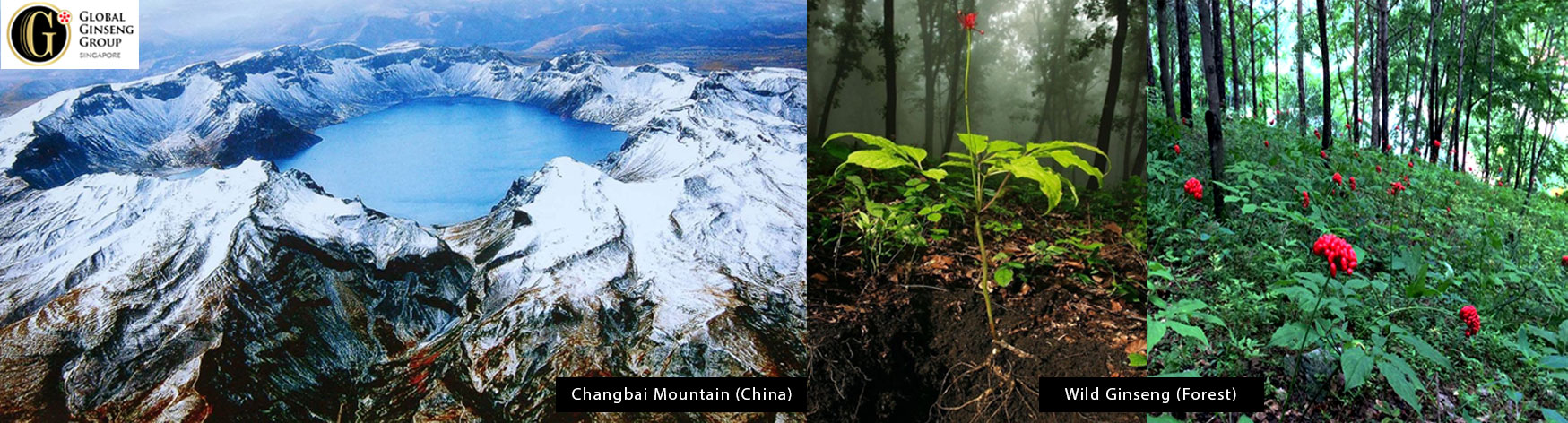
WILD GINSENG – Grown Naturally in the forest area in China Changbai Mountain
The Super Gift from Mother Nature.
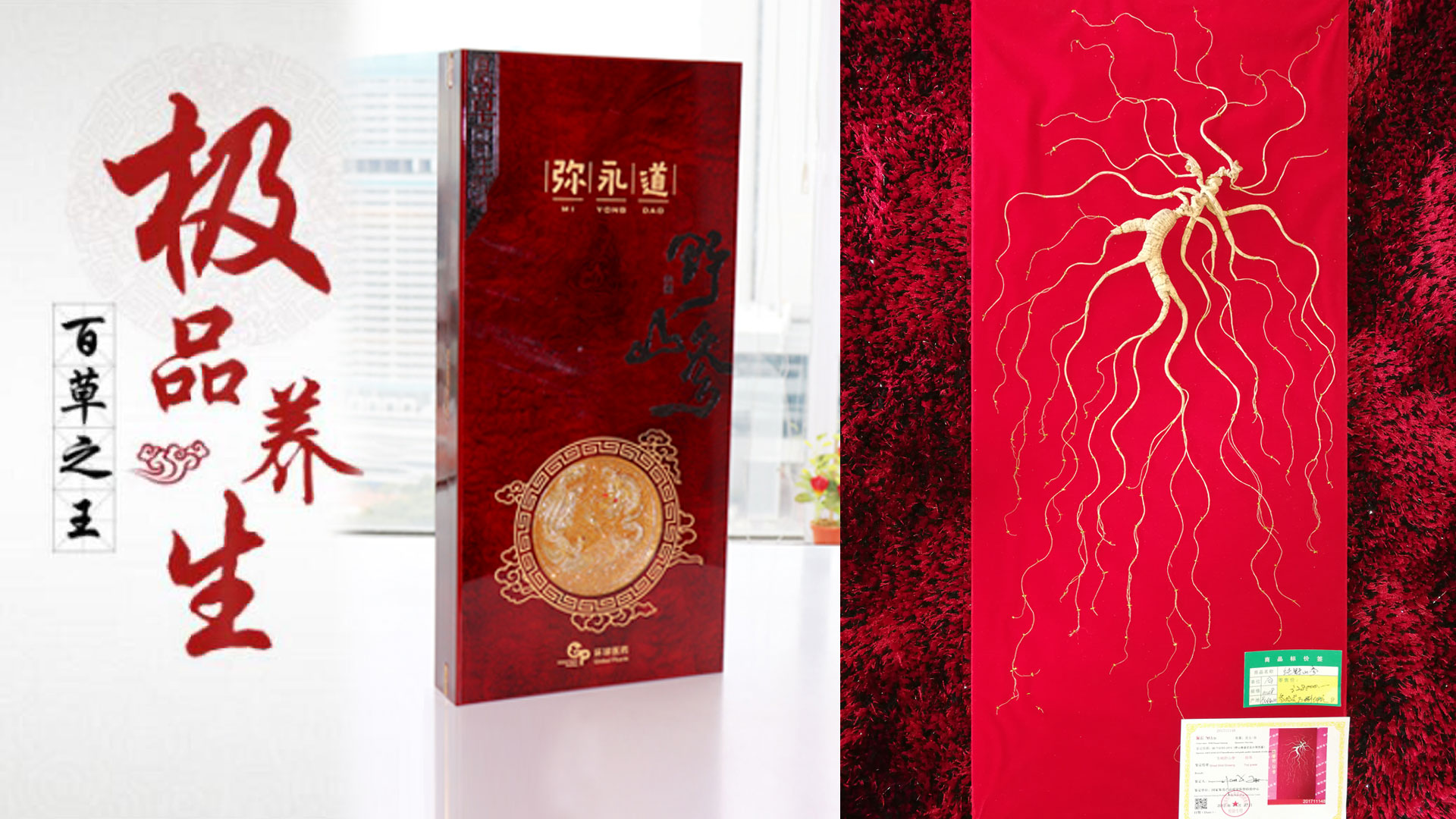
Wild Ginseng is known as “The King of Herbs” and has a history of use dating back about 3000 of years in the world. In ancient China, Wild Ginseng is a nourishing and rare herb exclusively used by the Emperors and the Royalties.

Wild Ginseng is a slow growing, long lived understory plant and is mainly distributed in Changbai Mountain range (Jilin Province, China). It is highly valued due to its rarity and medicinal value. The survival rate of wild ginseng which grows 15 years and above, is less than 5% due to its stringent growing conditions. The first book that serves as a compendium of herbal knowledge in Traditional Chinese Medicine (TCM) is the “Shen Nong Ben Cao Jing” written around 200 A.D, describing Wild Ginseng as a herb which leads to longevity – “Wild Ginseng mainly supplements the five viscera. It calms the essence spirit and soul, cures fright palpitations, eliminates evil ‘qi’, brightens the eyes, opens the heart, and sharpens the wits. Regular intake of wild ginseng may prolong life.”
The Older the Better.
Age & Growing Environment determine the quality and nature of ginseng plants.
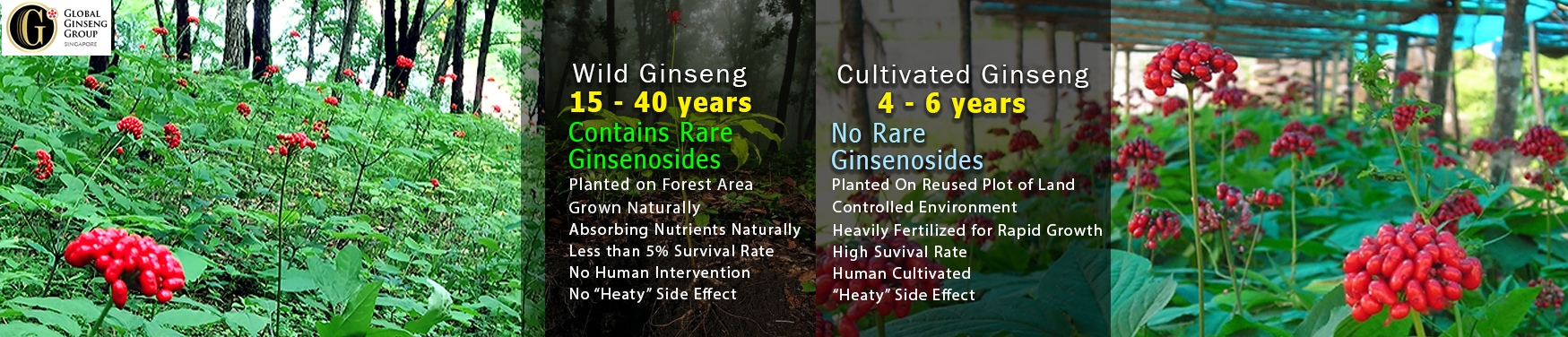
Compared to cultivated ginseng, our Changbai Mountain wild ginseng are grown for more than 15 years with no human interference after artificial sowing. Hence, with its mild nature, our wild ginseng is harmless and can be absorbed by human body without any inconvenience. It can be used with considerable flexibility and be incorporated into treatments for either hot or cold type diseases in TCM.
Worth a 15~40 years of waiting
The longer the wild ginseng grows, the higher its medicinal value. The survival rate of wild ginseng is less than 5% as it competes intensely with other plants for nutrients and water, in order to gradually absorb all the best elements from the natural environment over the years.
When cultivated ginseng (aka Farmed Ginseng) is grown in an open field under artificial shade, the stressful conditions which wild ginseng plants must face are eliminated, resulting in great variation in production and market prices for wild ginseng and cultivated ginseng.
The cultivated ginseng are fed with fertilizer and maintained by farmers. Hence, the appearance of cultivated ginseng can be easily identified by its size, which is bigger and fuller.
Wild vs Cultivated: The Differences
Scientifically Proven Functions of Ginseng
The ginsenosides are the major active pharmacological components of ginseng. Wild ginseng contains 30-40 types of ginsenosides including rare ginsenosides which are not found in cultivated ginseng.
After more than 30 years of research, it has been proven that ginsenosides in wild ginseng can prevent various cancers, cardiovascular diseases and other chronic diseases.
Wild Ginseng as Modern Medical Treatment and Wellness
More than 2000 patents and researches have proven that Rare Ginsenosides from Wild Ginseng have the following uses and benefits:

Wild Ginseng as Modern Medical Treatment
-
Anti-Cancer
-
Prevent Cardiovascular Diseases
-
Prevent High Blood Pressure
-
Prevent Alzheimer’s Disease and Cerebrovascular Disease
-
Improve Liver Function
-
Prevent Osteoporosis
-
Anti-Diabetes
-
-
Prevent Hyperlipemia
-
Protect Kidney
-
Treat Arthritis
-
Treat Skin Diseases
-
Protect Ovaries
-
Treat Depression
-
Anti-Inflammatory
-
Treat Impotence
-
Wild Ginseng as Wellness Benefits
-
Boost the Immune System
-
Boost Energy and Stamina
-
Anti-Fatigue
-
Promote Healthy Blood Circulation
-
Support memory function
-
-
Anti-Hair Loss
-
Anti-Aging
-
Treat Insomnia
-
Antioxidant Properties
-
Treat Stress
-